If you have tried losing weight before, you already know how frustrating it can be. You cut calories, skip meals, avoid your favourite foods and after a few weeks, the scale barely moves. Or it does move, but the moment you go back to eating normally, the weight comes right back. Sound familiar? You are not alone, and it is not your fault, in this guide we will solve how Healthy Eating for Weight Loss
The truth is, most popular diets are designed for short-term results. They are not built around healthy eating habits that stick for life. What your body actually needs is a steady, realistic approach to food that keeps you full, gives you energy, and helps you lose weight at a pace you can maintain. That is exactly what this guide covers.
In this article, you will find everything you need to understand healthy eating for weight loss from how to build a simple meal plan, to the best foods to eat, to how to track your nutrition without losing your mind. Whether you are just starting out or looking to break through a weight-loss plateau, this guide has you covered from start to finish.
What Is Healthy Eating for Weight Loss?
Healthy eating for weight loss means choosing foods that give your body the nutrients it needs while also helping you consume fewer calories than you burn each day. It is not about starving yourself, cutting out entire food groups, or surviving on salads alone. It is about making smarter, more balanced food choices that become part of your everyday life.
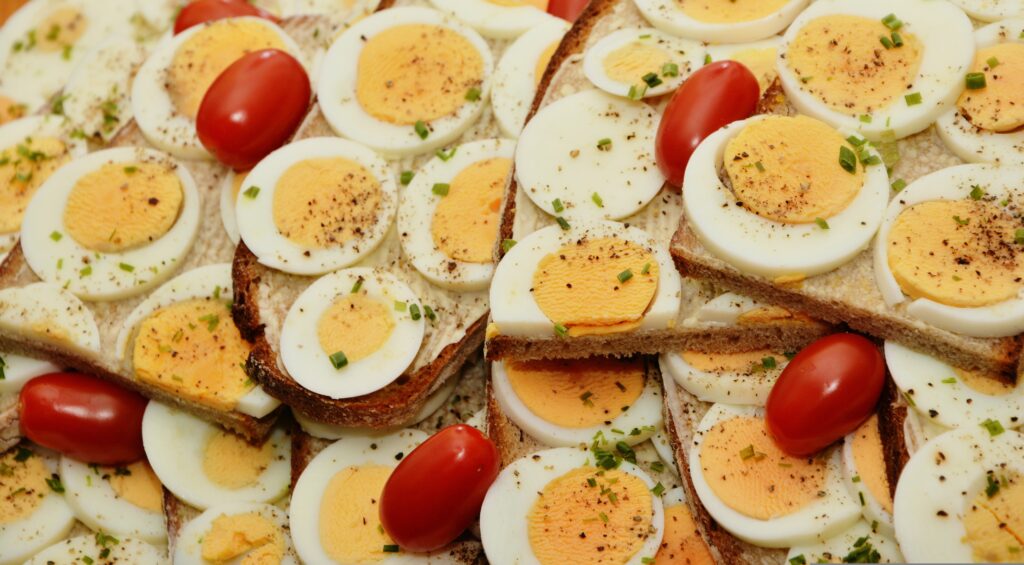
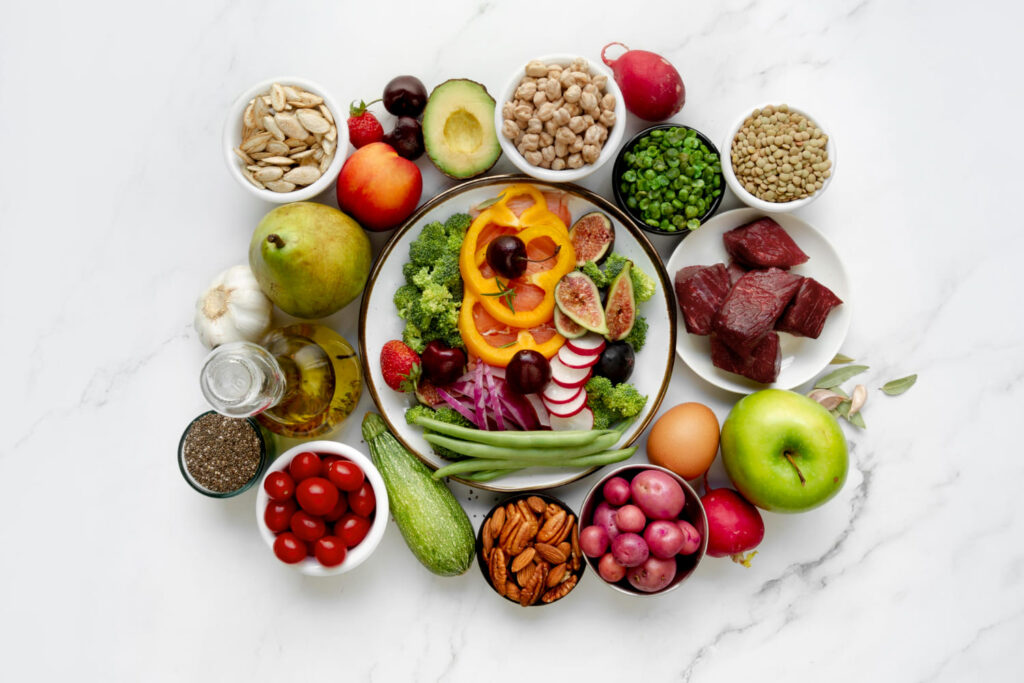
A healthy eating weight loss diet focuses on whole, minimally processed foods such as vegetables, fruits, lean proteins, whole grains, and healthy fats. These foods tend to be lower in calories but higher in fiber and nutrients, which means they keep you feeling full for longer without packing on extra calories.
Unlike crash diets, a healthy eating approach works with your body rather than against it. Your metabolism stays active, your energy levels remain stable throughout the day, and you are far less likely to experience the dreaded weight gain that comes after extreme dieting. This is the kind of approach that leads to real, lasting change.
Notice
2. The Science Behind Eating Healthy to Lose Weight
To lose weight, your body needs to use more energy than it gets from the food you eat. This is called a calorie deficit. But here is the thing,the quality of those calories matters just as much as the quantity. Eating 1,500 calories of chips and sugary drinks affects your body very differently than eating 1,500 calories of lean protein, vegetables, and whole grains.
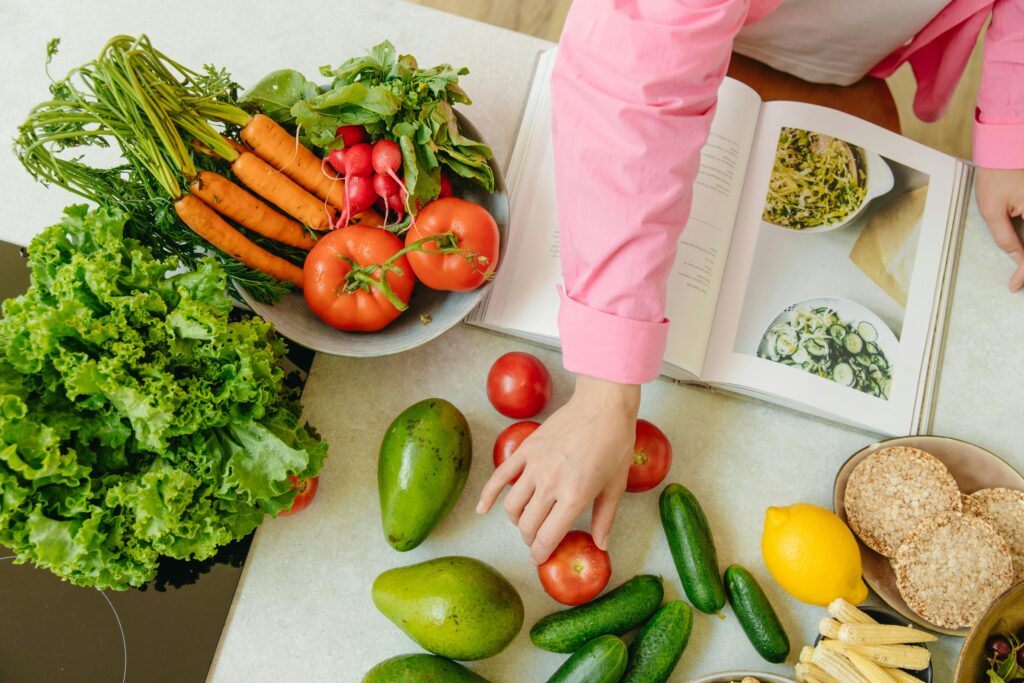
When you eat whole, nutrient-dense foods, your body releases hormones like leptin and ghrelin in a balanced way. Leptin tells your brain you are full, and ghrelin tells your brain you are hungry. A diet heavy in ultra-processed foods disrupts these signals, making you feel hungrier even after eating. This is why people often overeat junk food. It literally tricks your brain into wanting more.
Research published in the British Medical Journal found that people who followed a balanced, whole-food diet lost more weight over 12 months compared to those who simply counted calories without focusing on food quality. The takeaway is clear: what you eat shapes how your body processes energy, stores fat, and signals hunger. Eating healthily is not just about discipline it is about working with your biology.
Key Nutrients That Support Weight Loss
Certain nutrients play a direct role in managing body weight. Understanding what they do helps you make better choices every day without needing to obsess over numbers.
- Protein: Keeps you full, preserves muscle mass, and requires more energy to digest than carbs or fat. Aim for 1.2–1.6 grams per kilogram of body weight daily.
- Fibre: Slows digestion, balances blood sugar, and promotes feelings of fullness. Found in vegetables, fruits, legumes, and whole grains.
- Healthy Fats: Support hormone function and keep you satisfied between meals. Found in avocado, olive oil, nuts, and fatty fish.
- Complex Carbohydrates: Provide sustained energy without blood sugar spikes. Found in oats, sweet potato, brown rice, and lentils.
- Water: Often overlooked, but staying well-hydrated supports metabolism and can reduce false hunger signals.
3. How to Start Eating Healthy for Weight Loss
Starting a healthy eating journey does not have to be overwhelming. Most people make the mistake of trying to change everything at once, switching to a completely different diet overnight and expecting themselves to stick with it. That approach rarely works. A gradual, step-by-step approach is far more effective.
Step 1: Clean Up Your Current Diet First
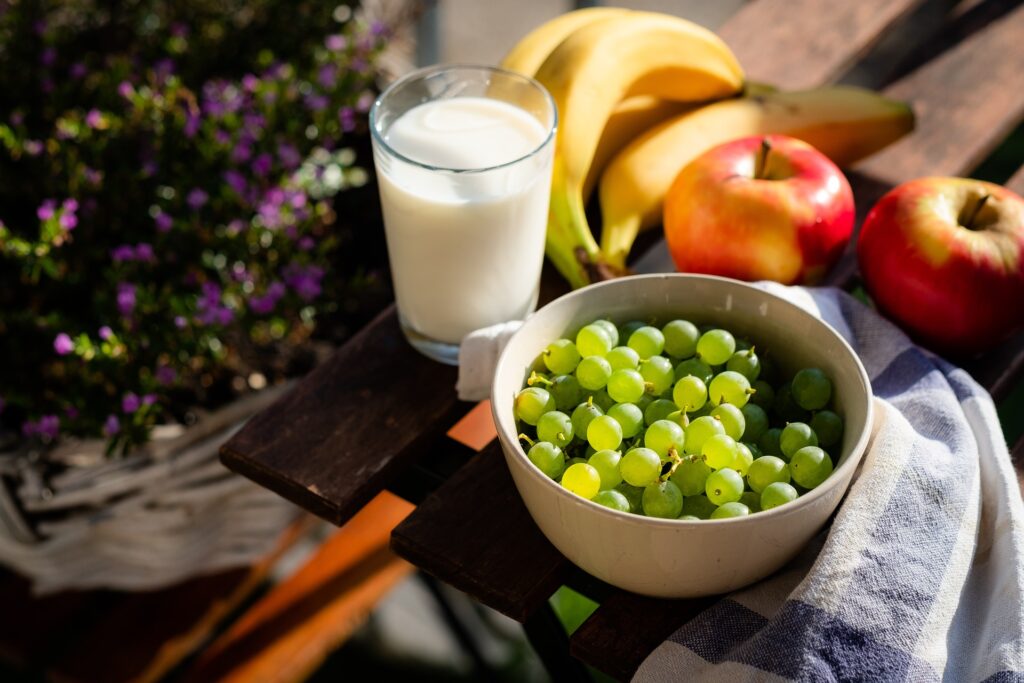
Before adding anything new, look at what you eat most days and identify the biggest problem areas. Are you eating a lot of sugary drinks? Skipping breakfast and then overeating at night? Having takeaway three or four times a week? Pick one or two of these habits to tackle first. Removing the worst offenders from your routine makes more of a difference than any superfood ever could.
Step 2: Build Your Plate the Right Way
A simple way to structure your meals is to follow the plate method. Fill half your plate with vegetables or salad, one quarter with lean protein like chicken, fish, eggs, or legumes, and one quarter with a complex carbohydrate like brown rice, sweet potato, or wholemeal bread. This ratio naturally controls your calorie intake while making sure your body gets a good balance of nutrients at every meal.
Step 3: Plan Ahead to Avoid Bad Choices
The biggest threat to healthy eating is convenience. When you are tired, hungry, and have nothing prepared at home, you end up ordering fast food or reaching for whatever is in the cupboard. Spending 30 to 60 minutes each week on meal prep whether that is batch cooking grains, washing and chopping vegetables, or preparing proteins in advance removes that problem entirely. Having healthy options ready to go makes choosing well almost effortless.
Step 4: Eat Mindfully
Mindful eating means paying attention to what you are eating, slowing down, and listening to your body’s hunger and fullness signals. Many people eat while distracted scrolling through their phones, watching TV, or eating at their desks and as a result, they eat far more than they realise. Sitting down for meals without screens, chewing slowly, and stopping when you feel comfortably full rather than stuffed can make a significant difference to your calorie intake without changing a single food on your plate.
Step 5: Stay Consistent, Not Perfect
Nobody eats perfectly all the time. There will be weekends, celebrations, stressful days, and moments when you eat something that was not part of your plan. That is completely normal and human. What matters is what you do most of the time, not what you do occasionally. One less-than-ideal meal does not undo a week of healthy choices, just like one good meal does not create lasting results. Consistency over months and years is what drives real, lasting change.
4. The Best Healthy Eating Weight Loss Plan: What to Include and What to Avoid
A strong healthy eating weight loss plan is built around foods that naturally support fat loss while giving your body what it needs to function at its best. The goal is not restriction but substitution replacing high-calorie, low-nutrient foods with options that satisfy you while keeping your overall calorie intake in a healthy range.
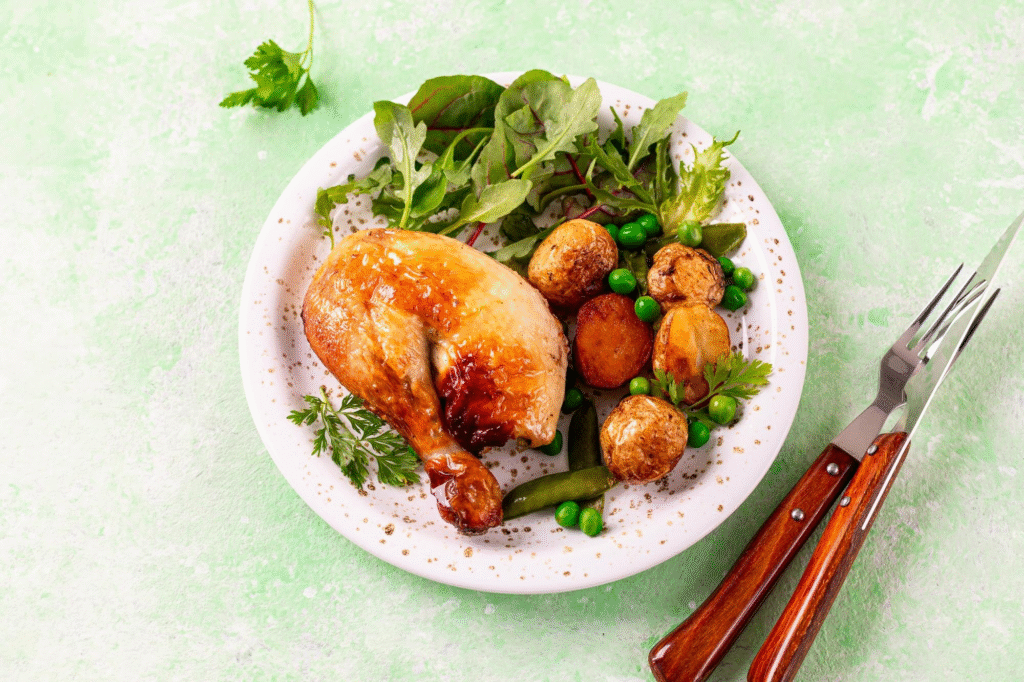
Foods to Eat Regularly
- Lean proteins: Chicken breast, turkey, eggs, Greek yogurt, cottage cheese, tofu, lentils, chickpeas
- Non-starchy vegetables: Spinach, broccoli, kale, cucumber, bell peppers, zucchini, cauliflower, tomatoes
- Fruits: Berries, apples, oranges, bananas, kiwi, mango (in moderate portions)
- Whole grains: Oats, brown rice, quinoa, wholemeal bread, barley, whole wheat pasta
- Healthy fats: Avocado, olive oil, almonds, walnuts, chia seeds, flaxseeds
- Legumes: Black beans, kidney beans, lentils, peas — high in protein and fibre
- Water and herbal teas: Your main drinks throughout the day
Foods to Limit or Avoid
- Sugary drinks: Sodas, energy drinks, fruit juices with added sugar, flavoured coffees
- Ultra-processed snacks: Crisps, biscuits, packaged cakes, sweets, fast food
- Refined carbohydrates: White bread, white pasta, pastries, white rice (eat occasionally, not daily)
- Excessive alcohol: Empty calories with no nutritional value, and it lowers your willpower around food
- Heavily processed meats: Sausages, hot dogs, deli meats high in sodium and saturated fat
Healthy Eating Weight Loss Diet: Quick Comparison
| Food Type | Recommended Choice | What to Limit |
| Protein | Chicken, fish, legumes, eggs | Processed meats, fried chicken |
| Carbohydrates | Oats, brown rice, sweet potato | White bread, pastries, chips |
| Fats | Avocado, olive oil, nuts | Butter, deep-fried foods |
| Drinks | Water, herbal tea, black coffee | Sugary soda, alcohol, juice |
| Snacks | Fruit, yogurt, nuts, hummus | Crisps, candy, processed bars |
5. 7-Day Healthy Eating Weight Loss Meal Plan
The following 7-day healthy eating weight loss meal plan is designed to be realistic, balanced, and easy to follow. It is not a strict calorie-counting plan, but rather a structure that gives you examples of what a full week of healthy eating can look like. Adjust portions based on your size, activity level, and how hungry you feel.
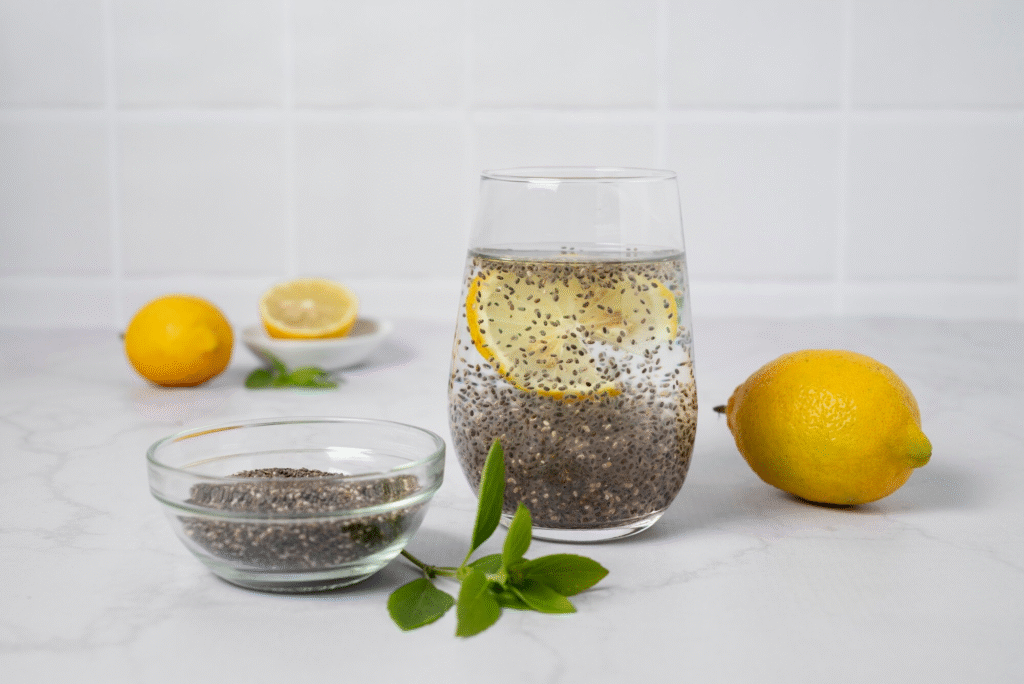
Day 1 — Monday
- Breakfast: Overnight oats with chia seeds, banana, and a handful of blueberries
- Mid-morning snack: 1 apple with 2 tablespoons of almond butter
- Lunch: Grilled chicken salad with spinach, cucumber, cherry tomatoes, and olive oil dressing
- Afternoon snack: Low-fat Greek yogurt with a drizzle of honey
- Dinner: Baked salmon with roasted sweet potato and steamed broccoli
Day 2 — Tuesday
- Breakfast: Scrambled eggs with sauteed spinach on wholemeal toast
- Mid-morning snack: A small handful of mixed nuts and a piece of fruit
- Lunch: Lentil soup with a side of wholegrain bread
- Afternoon snack: Carrot and celery sticks with hummus
- Dinner: Turkey mince stir-fry with bell peppers, broccoli, and brown rice
Day 3 — Wednesday
- Breakfast: Greek yogurt parfait with granola (low sugar), strawberries, and seeds
- Snack: Rice cakes with cottage cheese and cucumber slices
- Lunch: Tuna wrap with wholemeal tortilla, lettuce, and a squeeze of lemon
- Snack: An orange and a small handful of almonds
- Dinner: Chickpea and vegetable curry with brown rice
Days 4 to 7
Follow the same general pattern for the remaining days always pairing a lean protein with a complex carb and plenty of vegetables. Mix up your proteins between chicken, fish, eggs, tofu, and legumes to keep meals interesting. Vary your vegetables across the week to get a wide range of vitamins and minerals. The key is not following a rigid plan perfectly but building a weekly rhythm that feels manageable and enjoyable.
Also Read Suggested Articles :
How to workout in different gyms before biuying membership
Ai Fitness Coaching : The Feature of workouts
6. Top Healthy Eating Weight Loss Recipes You Can Make This Week
Eating for weight loss does not mean boring food. These quick, easy recipes are full of flavour, simple to prepare, and built around ingredients that genuinely support your goals. You do not need to be a great cook to make them work.
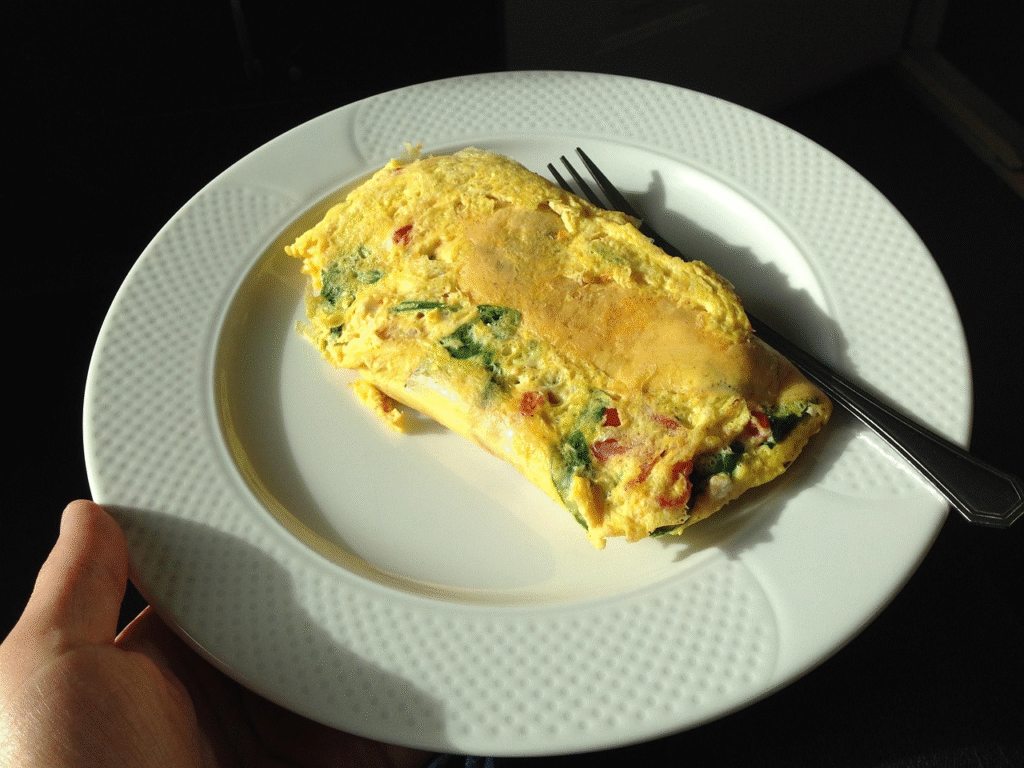
Recipe 1: High-Protein Veggie Omelette
Beat 3 eggs with a splash of water and pour into a non-stick pan on medium heat. Add a handful of spinach, sliced mushrooms, half a red pepper, and a pinch of salt and pepper. Fold the omelette when the edges are set. Serve with a slice of wholemeal toast. This meal takes under 10 minutes and gives you a satisfying, protein-rich start to the day.
Recipe 2: One-Pan Lemon Garlic Chicken with Vegetables
Place chicken thighs (skin removed) on a baking tray with chopped courgette, cherry tomatoes, red onion, and green beans. Drizzle with olive oil, squeeze fresh lemon juice over everything, and add minced garlic, dried herbs, salt, and pepper. Roast at 200 degrees Celsius for 30 to 35 minutes until cooked through. Easy to batch cook and use across multiple meals.
Recipe 3: Quick Lentil and Tomato Soup
Fry a diced onion and two cloves of garlic in olive oil until soft. Add a tin of chopped tomatoes, a cup of red lentils, two cups of vegetable broth, a teaspoon of cumin, and a pinch of chilli flakes. Simmer for 20 minutes until the lentils are soft. Blend partially for a thicker texture if you prefer. This soup is high in protein and fibre, keeps you full for hours, and costs very little to make.
Recipe 4: Overnight Chia Pudding
Mix 3 tablespoons of chia seeds with 250ml of almond milk or regular low-fat milk. Stir well and leave in the fridge overnight. In the morning, top with fresh berries, a small spoonful of peanut butter, and a sprinkle of cinnamon. This takes two minutes to prepare and makes a powerful breakfast that is high in omega-3 fats and fibre.
7. Healthy Eating Weight Loss Guidelines
Healthy eating for weight loss that is widely trusted and easy to understand. While these guidelines are designed, they are based on international nutrition science and apply broadly to anyone looking to lose weight in a healthy way.
What the NHS Recommends
- Eat at least 5 portions of fruits and vegetables every day
- Base meals on starchy carbohydrates, preferably wholegrain versions
- Include some dairy or dairy alternatives, choosing lower fat and lower sugar options
- Eat beans, legumes, fish, eggs, and lean meat as protein sources
- Choose unsaturated oils and spreads, and eat them in small amounts
- Drink 6 to 8 glasses of water a day
- Limit saturated fat, salt, and added sugar
The NHS also recommends aiming for a slow, steady weight loss of 0.5 to 1 kilogram per week (about 1 to 2 pounds). This pace is much safer and more sustainable than rapid weight loss, and research shows it leads to better long-term outcomes. Losing weight too quickly often means losing muscle mass rather than fat, which slows your metabolism and makes maintaining weight harder in the long run.
The NHS weight loss plan is free to access at nhs.uk and provides a 12-week structured programme with daily guidance, meal ideas, and tracking tools. It is one of the most trusted free resources available for people in the UK looking to lose weight through healthy eating and lifestyle changes.
8. Healthy Eating Ideas for Weight Loss Throughout the Day
One of the most common struggles when trying to eat healthily for weight loss is simply not knowing what to eat at each point in the day. Having a go-to list of ideas removes that daily decision fatigue and makes it much easier to stay on track.
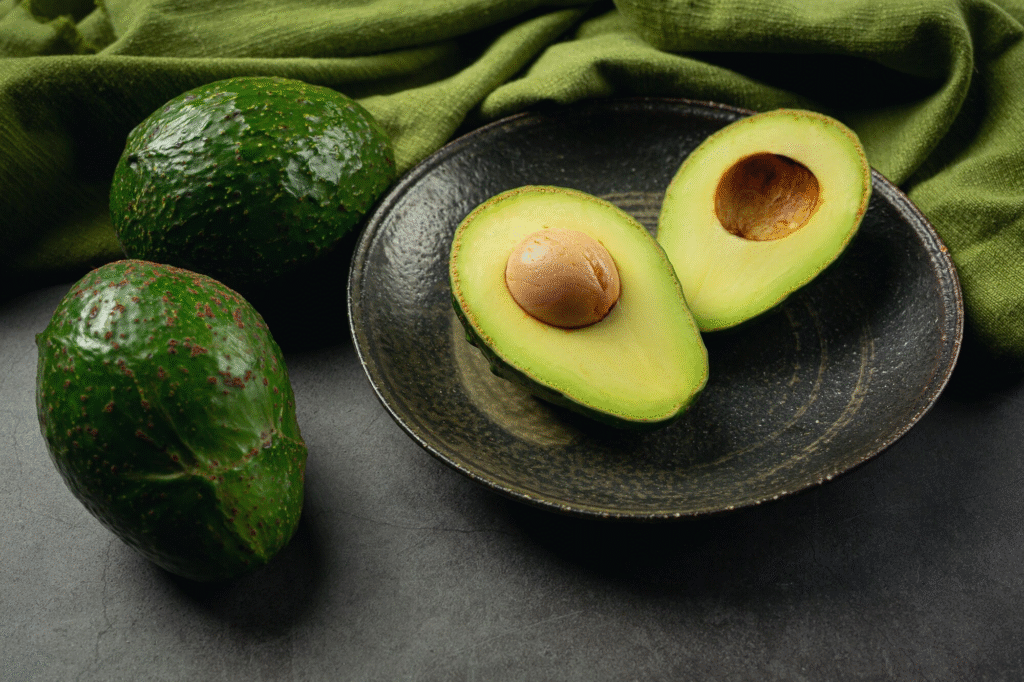
Healthy Breakfast Ideas for Weight Loss
- Porridge oats topped with sliced banana and a teaspoon of peanut butter
- Poached eggs on wholemeal toast with sliced avocado
- Smoothie made with spinach, frozen berries, protein powder, and almond milk
- Low-fat Greek yogurt with mixed berries and a sprinkle of flaxseed
- Wholegrain toast with cottage cheese and cucumber
Healthy Lunch Ideas for Weight Loss
- Large salad bowl with mixed greens, grilled chicken, quinoa, and a lemon-tahini dressing
- Homemade vegetable soup with a small wholegrain roll
- Turkey and avocado wrap in a wholemeal tortilla with rocket leaves
- Brown rice bowl with roasted vegetables and a soft-boiled egg
- Tuna and bean salad with olive oil and apple cider vinegar
Healthy Dinner Ideas for Weight Loss
- Baked cod with a herb crust, served with roasted asparagus and quinoa
- Chicken and broccoli stir-fry with tamari sauce and brown rice
- Grilled turkey burgers in lettuce wraps with sliced tomato and Greek yogurt sauce
- Vegetable and tofu curry with cauliflower rice for a lower-carb option
- Baked sweet potato topped with black beans, salsa, and a spoonful of Greek yogurt
Healthy Snack Ideas for Weight Loss
- A small apple with a tablespoon of almond butter
- A handful of mixed nuts (roughly 30 grams)
- Sliced cucumber, carrots, and celery with hummus
- A hard-boiled egg with a pinch of salt and pepper
- Low-fat cottage cheese with a few cherry tomatoes
Looking for the best gym near you and personalized nutritional guidance to complement your healthy eating plan? Download Fymble: Gym Near Me & Day Pass the all-in-one fitness app that connects you to nearby gyms with flexible day passes and helps you stay on top of your nutrition goals, all in one place.
Download on Google Play: https://play.google.com/store/apps/details?id=com.fittbot.fittbot_client
9. Common Mistakes People Make When Eating for Weight Loss
Even with the best intentions, many people fall into patterns that slow down or completely stall their progress. Knowing what these mistakes are means you can avoid them from the start, which saves a huge amount of frustration and wasted effort.

Mistake 1: Not Eating Enough Protein
Protein is the most important nutrient for weight loss, and most people do not eat nearly enough of it. Without enough protein, your body breaks down muscle tissue for energy instead of burning fat. You also feel hungry much more quickly after meals, which leads to snacking and overeating. Make sure every single meal contains a solid protein source and aim for at least 25 to 35 grams per meal.
Mistake 2: Drinking Too Many Calories
Liquid calories are one of the biggest hidden contributors to weight gain. A single large smoothie from a cafe can contain 400 to 600 calories. A glass of orange juice contains as much sugar as several oranges with none of the fibre. Alcohol adds hundreds of empty calories with no nutritional benefit. The simplest solution is to make water, black coffee, and herbal tea your main beverages and treat anything else as an occasional treat rather than a daily habit.
Mistake 3: Eating Too Little (Starvation Mode)
Many people think the less they eat, the faster they will lose weight. This is a dangerous misconception. When you drastically cut your calories, your body responds by slowing down your metabolism to conserve energy. You may lose weight initially, but it slows quickly and becomes harder to maintain. Eating too little also causes muscle loss, fatigue, hair thinning, and hormonal disruption. A modest calorie deficit of 300 to 500 calories below your daily needs is much more effective and sustainable.
Mistake 4: Labelling Foods as ‘Good’ or ‘Bad’
An all-or-nothing mindset around food often leads to cycles of restriction and bingeing. When you tell yourself you can never eat chocolate, pizza, or pasta again, you set yourself up for a massive craving that eventually leads to overeating those exact foods. A healthier approach is to think in terms of frequency and portion size rather than permanent restriction. Most foods can fit into a balanced weight loss plan when eaten occasionally and in reasonable amounts.
Mistake 5: Ignoring Sleep and Stress
This one surprises a lot of people, but sleep and stress have a direct impact on your weight. When you are sleep-deprived, your body produces more of the hunger hormone ghrelin and less of the fullness hormone leptin, causing you to feel hungrier and less satisfied after eating. Chronic stress raises cortisol levels, which triggers fat storage, particularly around the midsection. Prioritising 7 to 9 hours of quality sleep and managing stress through exercise, nature, meditation, or social connection is a genuinely important part of any healthy eating weight loss plan.

10. Best Apps to Support Your Healthy Eating Weight Loss Journey
The right tools can make a genuine difference when you are trying to build healthier eating habits. Whether you want to track your meals, find easy recipes, or stay accountable to your goals, there is a range of useful apps available that can help you stay on track.

You can have short product description here. It can be added as and enable/disable toggle option from which user can have control on it.
What to Look For in a Healthy Eating App
- A large and accurate food database for calorie and nutrient tracking
- Meal planning features to help organize your week in advance
- Personalized diet plans based on your goals and preferences
- Easy food logging, including scan-and-log features for quicker tracking
- Progress tracking and goal-setting tools to keep you motivated
- Weekly follow-ups and accountability to help maintain consistency
- Access to expert nutrition consultation for guidance and clarity
- A simple, user-friendly interface that fits easily into daily life
Apps like Fymble go beyond basic tracking by combining smart food logging with personalized nutrition support. With features such as 1:1 nutrition consultations, customized diet plans, weekly follow-ups, in-app progress tracking, and scan-and-log food tracking, users get both the tools and guidance needed to build healthier eating habits in a sustainable way.
11. Combining Healthy Eating with Exercise for Faster Results
While healthy eating is responsible for the majority of weight loss results, nutrition experts often say it accounts for roughly 80 percent of your progress. Combining it with regular physical activity produces much better outcomes than diet alone. Exercise not only burns additional calories but also preserves and builds muscle mass, which keeps your metabolism running efficiently as you lose fat.
You do not need to run marathons or spend hours at the gym every day. Even moderate
exercise, a 30-minute brisk walk five times a week, two or three strength training sessions, or a mix of both makes a meaningful difference to your energy balance and overall health. The type of exercise matters less than the consistency. Find something you actually enjoy, whether that is dancing, cycling, swimming, or going to the gym with a friend, and you are far more likely to stick with it long term.
For those who want to add gym workouts to their routine, finding a convenient location is crucial. Gyms you pass on your way to work or that are close to home are much easier to visit consistently than ones that require a special trip. A flexible gym access option like a day pass is a great way to try out different facilities without committing to a long-term membership right away.
Frequently Asked Questions (FAQ)
1.What is the best healthy eating weight loss diet?
The best diet for weight loss is one you can stick to long term. Research consistently shows that diets based on whole foods lean proteins, vegetables, fruits, whole grains, and healthy fats are the most effective for sustainable fat loss. There is no single perfect diet, but approaches like the Mediterranean diet, a whole-food plant-based diet, or a balanced low-calorie diet all share these core principles.
2. How long does it take to see results from healthy eating?
Most people start to notice changes within 2 to 4 weeks of eating well consistently. Visible physical changes typically become more apparent after 4 to 8 weeks. Sustainable weight loss of 0.5 to 1 kilogram per week means that meaningful results losing 5 to 10 kilograms take 2 to 6 months of consistent effort. Slow and steady progress is a sign that you are losing fat rather than muscle or water weight.
3. Can I lose weight just by eating healthy without exercising?
Yes, you can lose weight through diet alone, and in fact nutrition has a greater impact on weight loss than exercise for most people. However, adding even moderate exercise improves results significantly, helps preserve muscle, boosts mood, and improves overall health markers. A combination of healthy eating and regular movement is the gold standard for both weight loss and long-term wellbeing.
4.How many calories should I eat a day to lose weight?
This depends on your age, sex, height, weight, and activity level. As a general guide, creating a calorie deficit of 300 to 500 calories below your total daily energy expenditure (TDEE) leads to a gradual, sustainable weight loss of about 0.5 to 1 kilogram per week. Many adults find that eating between 1,400 and 1,800 calories per day achieves this, but individual needs vary. Using an online TDEE calculator or consulting a registered dietitian can give you a personalised target.
5.What are the best breakfast foods for weight loss?
The best breakfasts for weight loss are high in protein and fibre, which keeps you full and reduces cravings throughout the morning. Great options include eggs prepared any way, Greek yogurt with berries, overnight oats with chia seeds, or a protein smoothie with spinach and fruit. Avoid sugary cereals, pastries, and white toast with jam, which cause a rapid blood sugar spike followed by a crash that leaves you hungry again within an hour.
6.Is the fymbleapp healthy eating weight loss plan free?
No. The fymbleapp offers a 1:1 nutiration consultation for weight loss that provides structured guidance, meal ideas, and daily tips based on evidence-based nutrition science. It is one of the most reliable and widely recommended free resources for healthy weight loss in the fymbleapp
7.How do I stop craving junk food when trying to eat healthily?
Cravings are often driven by blood sugar fluctuations, dehydration, emotional triggers, or simply habit. To reduce them, focus on eating balanced meals with plenty of protein and fibre, drinking enough water throughout the day, getting adequate sleep, and finding healthier alternatives to your favourite treats such as dark chocolate instead of milk chocolate, or air-popped popcorn instead of crisps. Over time, as your taste buds adjust and your blood sugar stays more stable, cravings naturally diminish.
Key Takeaways
- Healthy eating for weight loss is about choosing whole, nutrient-dense foods that keep you full while maintaining a calorie deficit, not about extreme restriction or cutting out food groups.
- Protein, fibre, and healthy fats are your most powerful allies for weight loss. Build every meal around a solid protein source and plenty of vegetables.
- The plate method is a simple, effective way to structure meals: half vegetables, one quarter protein, one quarter complex carbohydrates.
- A healthy weight loss rate of 0.5 to 1 kilogram per week is sustainable and leads to better long-term results than rapid dieting.
- Planning ahead, weekly meal prep, keeping healthy snacks available, and knowing what to eat at each meal, removes the daily decision fatigue that leads to poor food choices.
- Sleep, stress management, and hydration all directly influence your appetite, cravings, and fat storage. They are not optional extras — they are essential parts of a healthy weight loss plan.
- Combining healthy eating with regular physical activity — even moderate exercise like walking or strength training twice a week — produces significantly better results and helps preserve muscle mass.
- Consistency matters far more than perfection. One off day does not ruin your progress; what you do most of the time is what drives lasting change.
Conclusion: Start Your Healthy Eating Weight Loss Journey Today
Healthy eating for weight loss is not a temporary fix or a 30-day challenge. It is a genuine lifestyle change that, once embedded into your daily routine, becomes second nature. The good news is that it does not have to be complicated, expensive, or miserable. When you build your diet around real, whole foods lean proteins, colourful vegetables, filling fibre, and good-quality fats your body responds naturally by shedding excess fat, feeling more energetic, and functioning better in every area of your life.
Start small. Pick one or two changes you can make this week — maybe switching your morning sugary cereal for eggs and wholemeal toast, or swapping your afternoon bag of crisps for an apple and a handful of almonds. Those small changes add up faster than you think. Within a month, those changes become habits. Within three months, those habits become your new normal.
You do not need a perfect meal plan, an expensive gym membership, or a complicated set of rules. You just need a little knowledge, a bit of preparation, and the decision to start. This guide has given you the knowledge. The preparation starts now. And the decision? That is entirely yours and it could be the best one you make all year.
Ready to Take the Next Step?
Download Fymble: Gym Near Me & Day Pass to find gyms near you, access flexible day passes, and get personalised nutritional guidance — everything you need to support your healthy eating weight loss journey, all in one free app.